

Plumbing · Shut-Off Valve Repair
Shut-off valve repair in Toronto and the GTA.
A valve you can’t turn isn’t a valve. Seized stops, weeping nuts and gate valves that spin freely all get replaced with quarter-turn ball valves that will still work in ten years.
- ★ 5.0 on Google
- 7 a.m.–9 p.m., seven days
- two-year warranty on our work
- Toronto & the GTA
What usually
turns out to be wrong.
Shut-off valves are the part of a house nobody thinks about until something else is leaking. The old multi-turn stops under sinks and toilets have a rubber washer inside that hardens in the open position, and a gate valve on the main can wind shut on a stem that snapped off years ago. Both feel fine until the day they matter. Replacing one is a small job on its own, and it turns every future repair into a short one.
The handle turns but the water doesn’t stop
A stop that spins with no resistance has lost its washer or its stem. The tap upstairs keeps running, and the only thing actually holding back the water is the main valve.
Seized solid
The handle will not move at all, or it moves and takes the packing nut with it. Forcing an old stop with pliers is how a small repair becomes a flood, so it comes out instead.
Weeping at the stem or the nut
A green crust or a chalky ring on the valve body is a slow leak that has been going for months. It usually shows up on the cabinet floor long before anyone traces it back to the valve.
A main valve nobody wants to touch
An old gate valve on the main is the one people are most afraid of, and rightly: turning it can break the seal that was holding. It is worth replacing before an emergency makes the decision.
No valve there at all
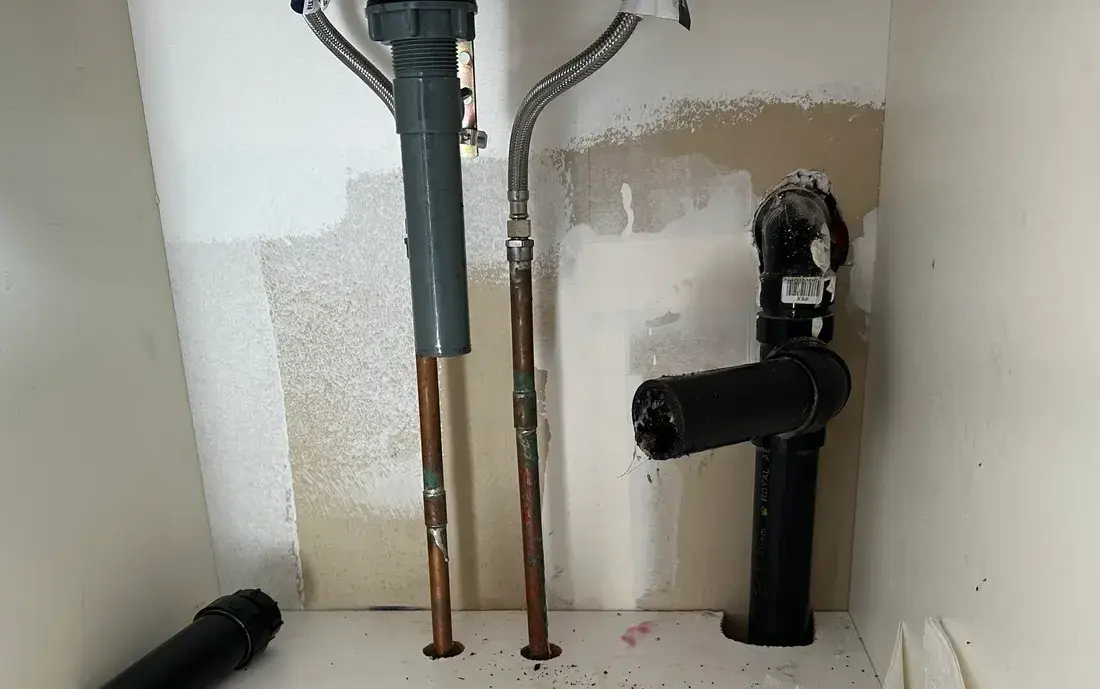
Plenty of older kitchens and bathrooms were plumbed with no isolation at the fixture, so changing a faucet means shutting the whole house down. Fitting a pair of stops fixes that permanently.
The valve feeding an appliance
A fridge line teed off with a saddle clamp, a washer box whose valves no longer close, or a dishwasher fed off a stop that was never meant to carry it. Those get replaced properly.
What the job includes.
Working out what is behind it
Copper, PEX or galvanized decides the fitting. We look at the pipe, the space around it and whether the stub is long enough to take a new valve before quoting.
Quarter-turn valves in place of multi-turn
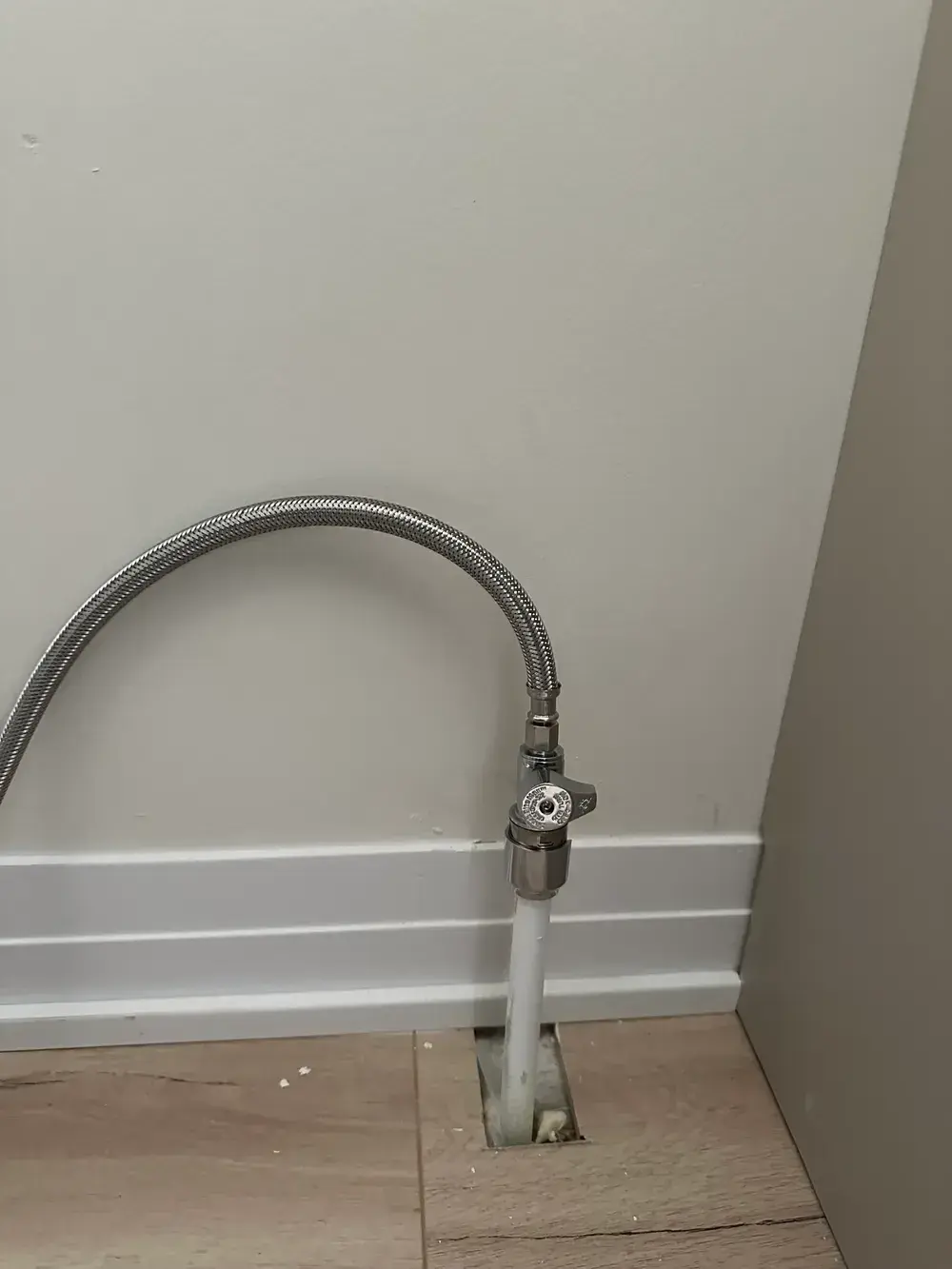
The old compression stop off, a quarter-turn ball valve on, so the next time anybody needs the water off it is a quarter turn and not a wrestle.
Both stops, not just the leaking one
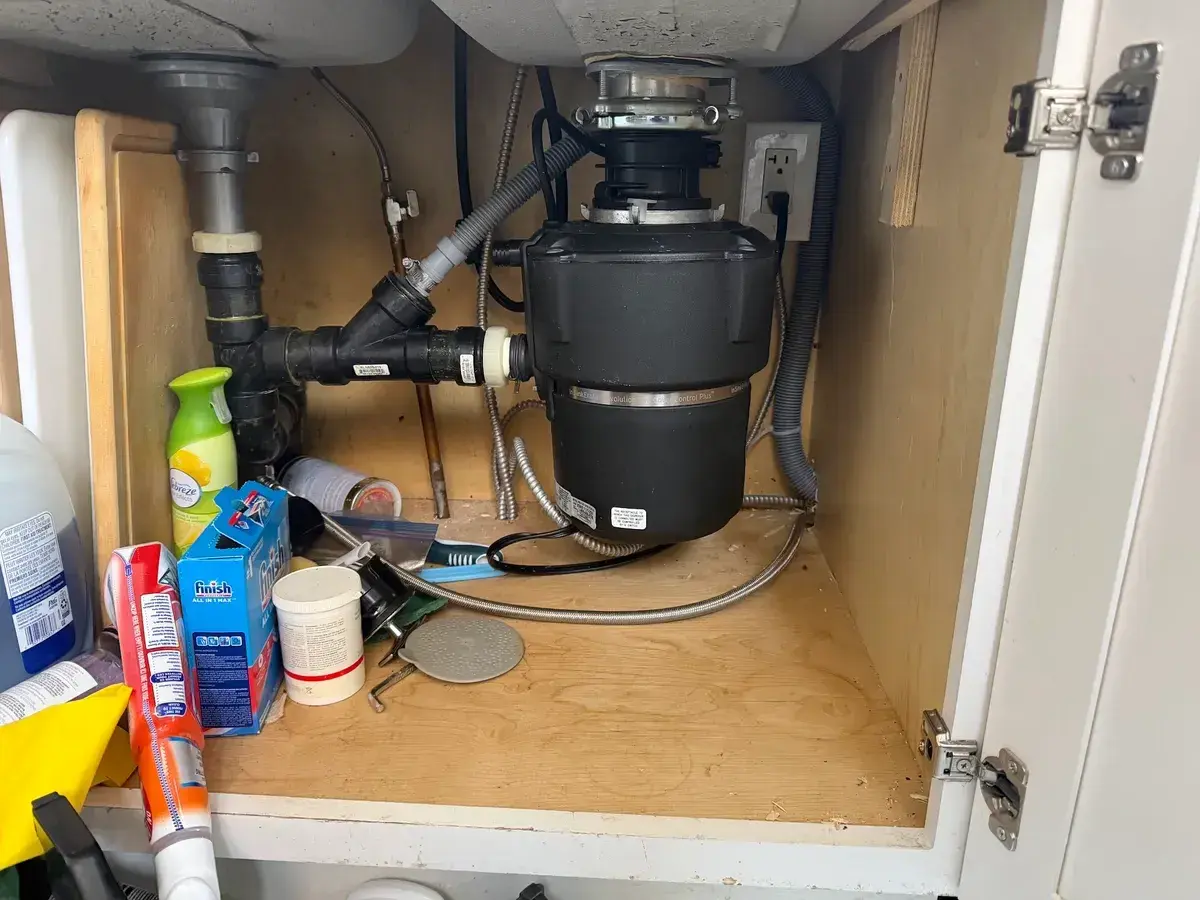
Valves under a sink are the same age and went in together. Where one has gone we say plainly whether the other is worth doing while the water is already off.
Main and branch valves
Isolation on the main, on a branch feeding a bathroom, or ahead of a water heater, so a repair upstairs no longer means draining the whole house.
Proved under pressure
The water back on, the valve cycled shut and open, the joint watched dry, and the fixture above run so nothing is left to find later.
How the visit goes.
- 01Tell us what it feedsWhich fixture, what the valve looks like now, and whether there is a working shut-off upstream. A photograph of the pipe under the sink answers most of it.
- 02Water off at the right pointWe isolate as close to the work as we can, drain the run down, and only take the house off the main when there is nothing closer that holds.
- 03Old valve out, new one onThe stop removed, the pipe cleaned and squared, and a new quarter-turn valve fitted to suit the material, then pulled up and left accessible.
- 04Pressure back and watchedWater on slowly, the joint checked under full pressure, the valve worked shut and open twice, and the cabinet left dry with a light on it.

From the job record.
See the full record →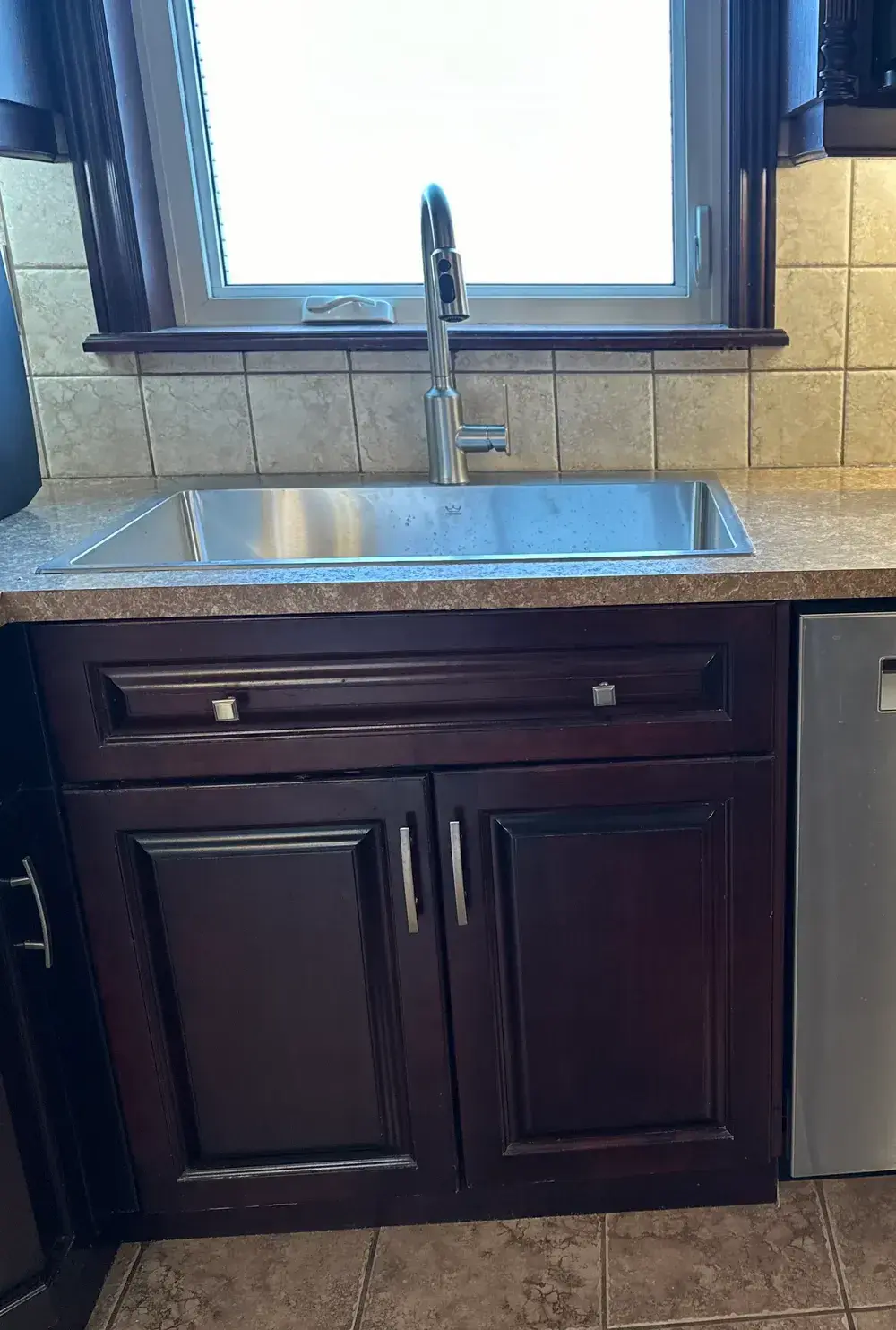
On the public record
“He was quick to respond and repair a punctured pipe in my home. He gets the job done right.”
Offers on this work.
Mention it when you book
*Some restrictions may apply. Cannot be combined with other offers.
Prefer to talk it through? Call (416) 556-8581
Shut-Off Valve Repair questions.
If yours isn’t here, the phone is the fastest way to have it answered, seven days a week.
Usually not for long. Where there is a working valve closer to the work, we isolate there and the rest of the house keeps running. If the only thing that holds is the main, everything goes off for the length of the valve change, and we tell you roughly how long that will be before we start.
Water where it shouldn’t be?
Describe what is leaking, dripping or draining slowly, and we will tell you what the fix takes before we come out.